

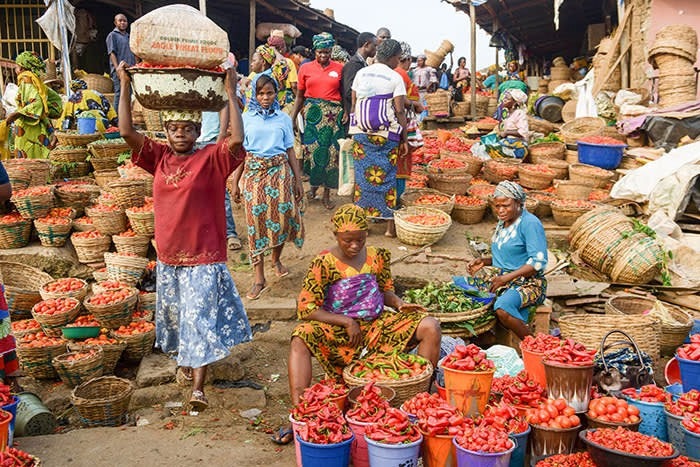
Rising inflation continues to affect household spending across Nigeria, as families adjust budgets amid increasing costs of food, transportation, and basic services.
Market surveys indicate that staple food prices remain high in many states, forcing households to reduce portion sizes or seek cheaper alternatives. Transport fares have also increased, largely due to fuel costs and vehicle maintenance expenses.
Economists warn that prolonged inflationary pressure could deepen financial strain on low- and middle-income earners. They stress the importance of policies that stabilize prices, support local production, and protect vulnerable populations.
The Federal Government has reiterated its commitment to economic reforms aimed at boosting production and easing supply constraints. However, analysts say tangible relief may take time to reach consumers.
