

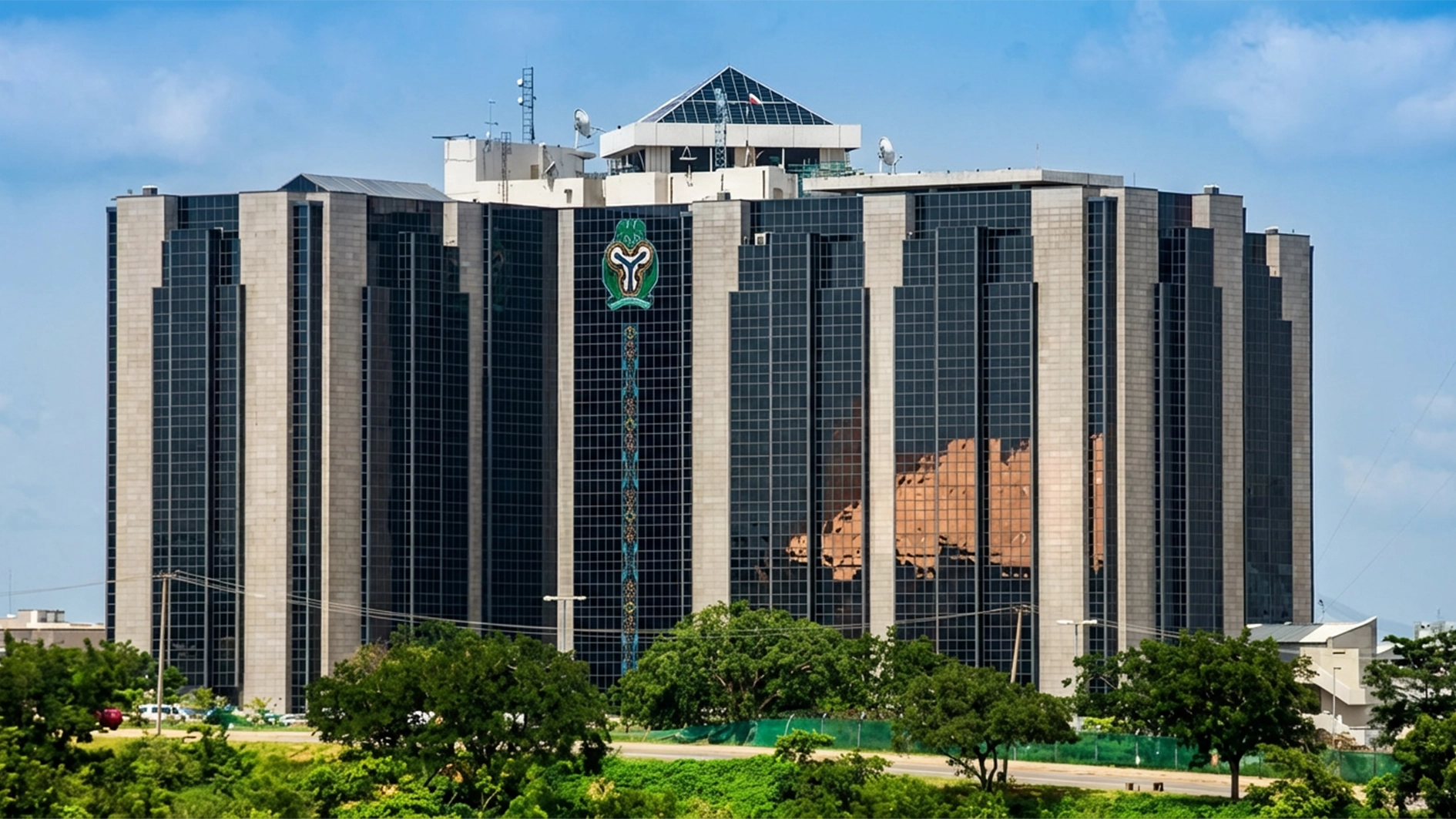
The Central Bank of Nigeria has announced plans to increase diaspora remittance inflows to $1 billion per month, following recent financial reforms that have already raised average monthly inflows to approximately $600 million.
CBN Governor Olayemi Cardoso disclosed this while speaking at the G-24 Technical Group Meetings held in Abuja.
According to Cardoso, regulatory and structural changes introduced in 2024 have helped streamline diaspora transactions and encourage the use of formal remittance channels.
He explained that the reforms include the introduction of specialised banking products such as the Non-Resident Nigerian Ordinary Account (NRNOA) for family transfers and the Non-Resident Nigerian Investment Account (NRNIA) aimed at boosting diaspora investments. The apex bank also launched a Non-Resident Bank Verification Number platform to enable Nigerians abroad to open and manage local accounts remotely.
Cardoso noted that these initiatives are designed to improve transparency, reduce transaction barriers, and strengthen confidence in the country’s financial system.
Diaspora remittances remain a major source of foreign exchange for Nigeria, alongside oil revenues and foreign portfolio investments. Economic analysts say sustained growth in remittance inflows could help stabilise the naira, improve liquidity in the foreign exchange market, and strengthen external reserves.
Although the CBN did not specify a timeline for achieving the $1 billion monthly target, the governor expressed optimism that ongoing reforms would continue to expand inflow channels and reduce cross-border transaction costs.
The renewed focus on remittances comes amid efforts by policymakers to diversify foreign exchange earnings and reduce exposure to global oil price fluctuations.
