

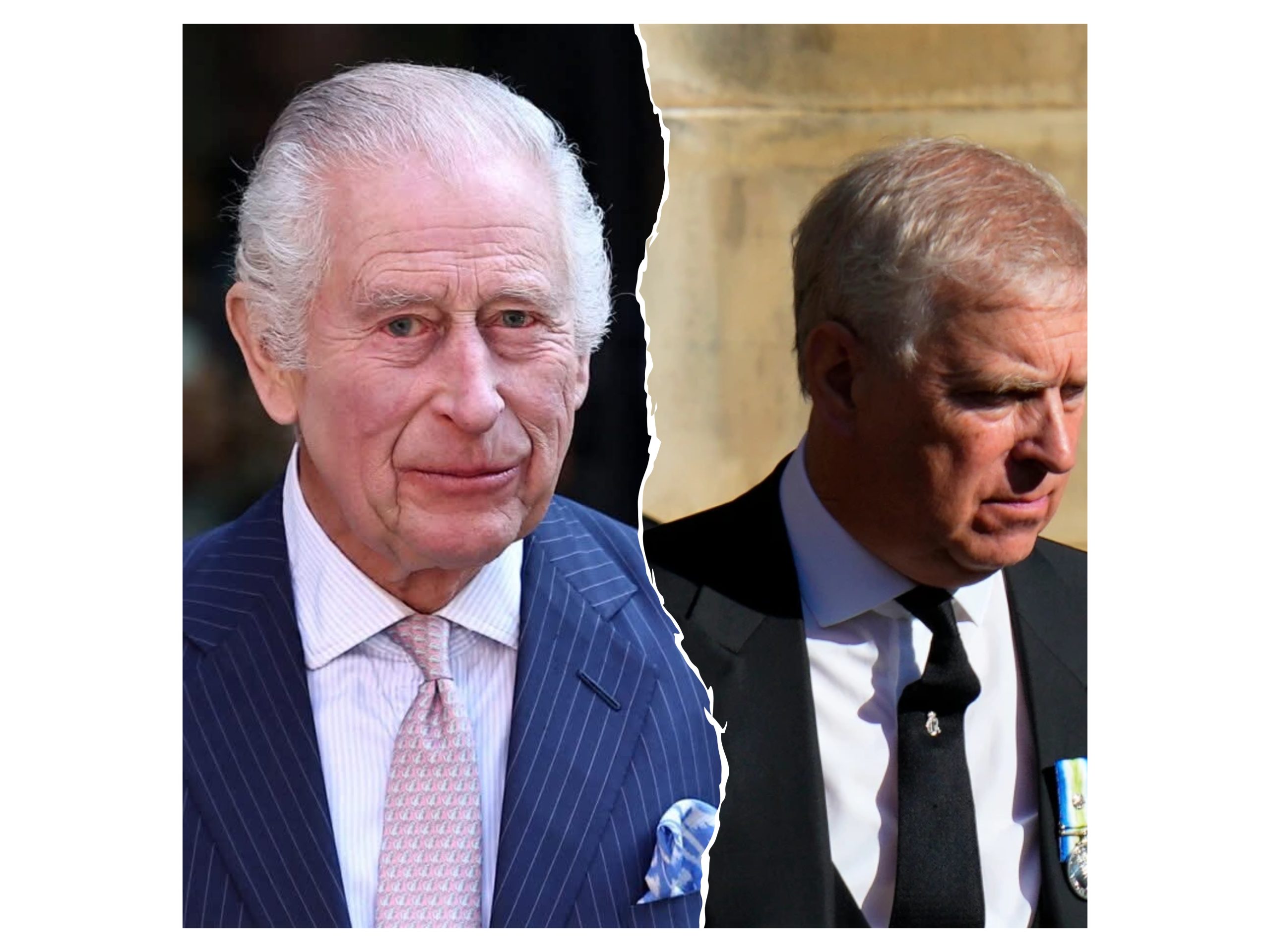
February 19, 2026 – In an unprecedented development for the modern British monarchy, Andrew Mountbatten-Windsor—formerly known as Prince Andrew—was arrested Thursday morning on suspicion of misconduct in public office. The arrest, which coincided with his 66th birthday, follows a renewed wave of scrutiny regarding his past association with convicted sex offender Jeffrey Epstein.
Here is a breakdown of the ongoing investigation, the palace’s response, and the potential legal consequences.
The Details of the Arrest
Thames Valley Police apprehended Mountbatten-Windsor at Wood Farm on the Sandringham Estate in Norfolk. He was taken into custody to be interviewed under criminal caution.
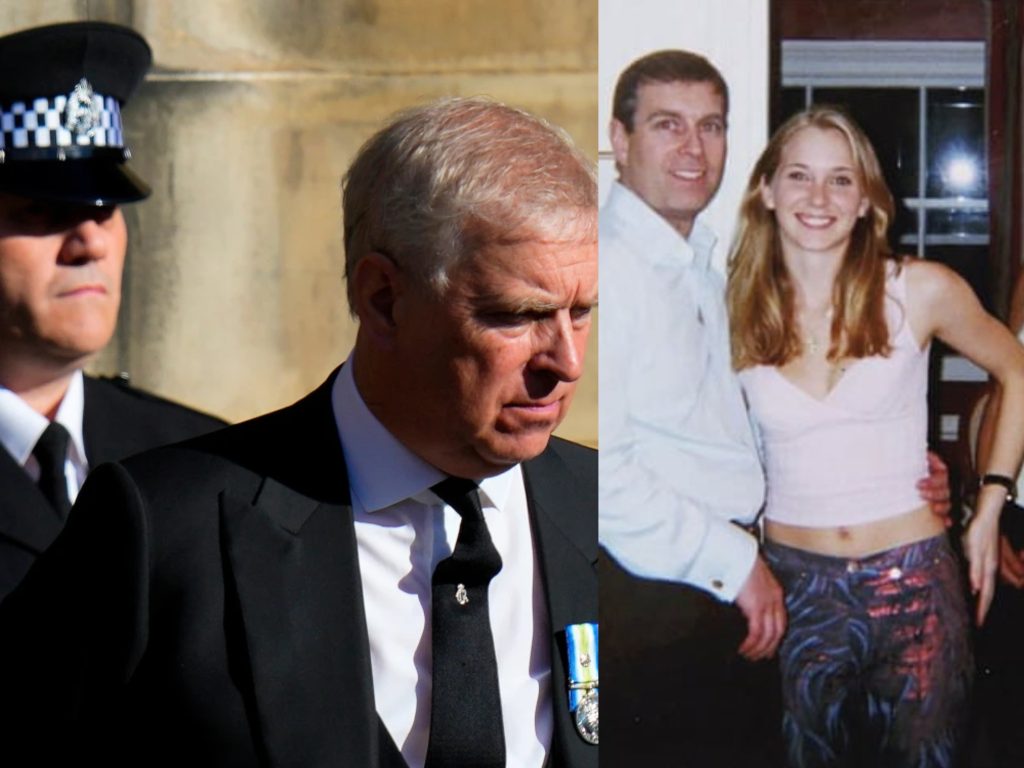
The investigation centers on his tenure as the UK’s Special Representative for International Trade and Investment, a role he held between 2001 and 2011. Recent document dumps by the U.S. Justice Department earlier this year brought new allegations to light, suggesting that Mountbatten-Windsor shared classified government trade information with Epstein.
Key facts surrounding the investigation:
- The Charge: Suspicion of misconduct in public office.
- The Allegation: Leaking confidential UK government documents and trade reports to Jeffrey Epstein in 2010.
- The Catalyst: Millions of pages of Epstein-related files released in January 2026, which allegedly contain email correspondence showing Mountbatten-Windsor forwarding diplomatic reports to the disgraced financier.
This arrest marks a new chapter in the fallout from the Epstein scandal. Mountbatten-Windsor was previously stripped of his royal titles and military honors and recently relocated from the Royal Lodge in Windsor to the Sandringham Estate.
The King’s Statement
King Charles III responded swiftly to the arrest of his younger brother, emphasizing that the monarchy will not interfere with the judicial process. Buckingham Palace noted that the authorities have the family’s “full and wholehearted support and cooperation.”
In a public statement, King Charles said:
”I have learned with the deepest concern the news about Andrew Mountbatten-Windsor and suspicion of misconduct in public office. What now follows is the full, fair and proper process by which this issue is investigated in the appropriate manner and by the appropriate authorities. In this, as I have said before, they have our full and wholehearted support and co-operation. Let me state clearly: the law must take its course.”
Potential Penalties if Convicted
Mountbatten-Windsor is currently facing allegations of misconduct in public office. Under UK law, this is a serious common law offense strictly concerning the willful abuse or neglect of the power and responsibilities tied to a public role.
If the police proceed with formal charges and he is ultimately convicted in a Crown Court, the penalties are severe:
- Maximum Sentence: Life imprisonment.
- Legal Threshold: Prosecutors must prove a direct link between his actions as a trade envoy and an intentional, serious abuse of his official powers.
While being arrested indicates that police have reasonable suspicion an offense occurred, it does not equate to guilt. Authorities are currently determining whether to charge him, release him on bail while inquiries continue, or take no further action.
