

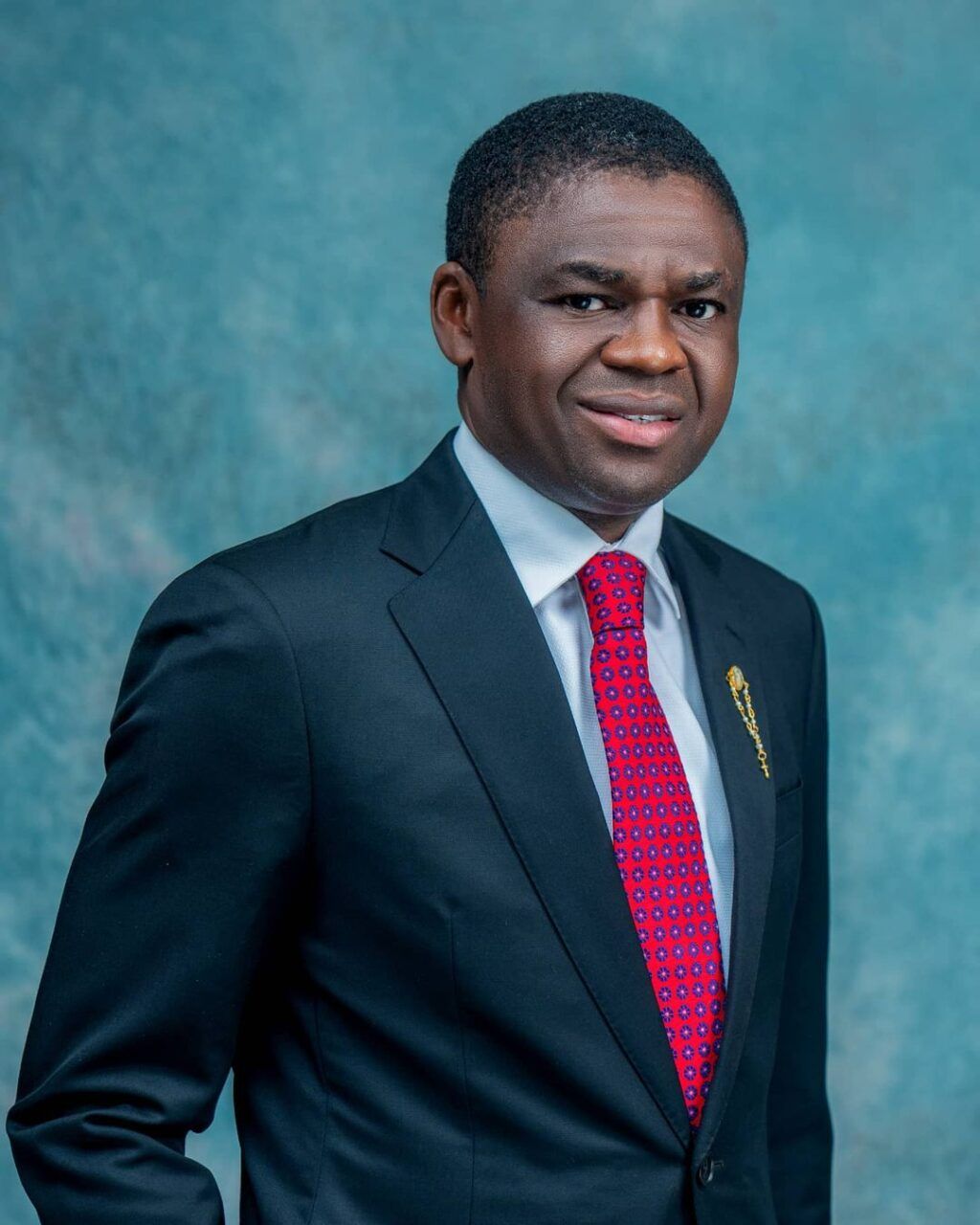
The National Institute for Sports (NIS) has officially commenced operations across Nigeria’s six geopolitical zones in what has been described as a landmark moment in the country’s sports development history.
The expansion covers:
- South-South (Edo)
- South-East (Enugu)
- South-West (Ogun)
- North-Central (Plateau)
- North-East (Adamawa)
- North-West (Kaduna)
The decentralization marks a decisive shift in national sports administration, bringing structured sports education, talent identification, and youth empowerment closer to communities nationwide.
April Academic Activities Set to Begin
According to Ben Ogbemudia, Special Assistant on Media to the DG/CEO of NIS, the move lays the groundwork for academic activities scheduled to begin in April.
“This monumental action sets the stage for the academic academy activities scheduled to kick off in April, promising to elevate sports education and training to unprecedented heights,” he said in Abuja.
The initiative aligns with President Bola Ahmed Tinubu’s Renewed Hope Agenda, which positions sports as both a unifying national force and a tool for economic diversification.
Shaibu: Decentralization for National Impact
Director-General and Chief Executive Officer of NIS, Philip Shaibu, emphasized that the expansion ensures sports development reaches every region of the country.
Shaibu, the immediate past Deputy Governor of Edo State, explained that the decentralization was executed in partnership with governors of the host states to strengthen grassroots participation.
“It is impossible to overstate the foresight, courage, and patriotism of President Tinubu, whose leadership continues to bring new initiatives into reality like the NIS after 52 years,” Shaibu stated.
He noted that the reform ensures talent identification, youth empowerment, and professional sports training are no longer centralized but accessible nationwide.
A New Era for Nigerian Sports
The nationwide rollout has drawn commendation from lawmakers, sports stakeholders, and youth development advocates, many of whom view it as a long-overdue restructuring of sports administration in Nigeria.
Supporters argue that bringing NIS operations to all six zones will:
- Enhance grassroots talent discovery
- Professionalize coaching and sports management
- Create employment opportunities within the sports ecosystem
- Strengthen Nigeria’s competitiveness in international competitions
The April commencement of academic programs is expected to further institutionalize sports education, bridging gaps between raw talent and professional excellence.
Renewed Hope Through Sports
Observers say the expansion reflects broader national efforts to harness sports as a vehicle for youth inclusion and economic growth.
As anticipation builds ahead of the April academic rollout, stakeholders across the country are watching closely to assess the long-term impact of the decentralization initiative.
With operations now active in all six geopolitical zones, the NIS reform represents a significant structural shift in Nigeria’s sports development trajectory.
