

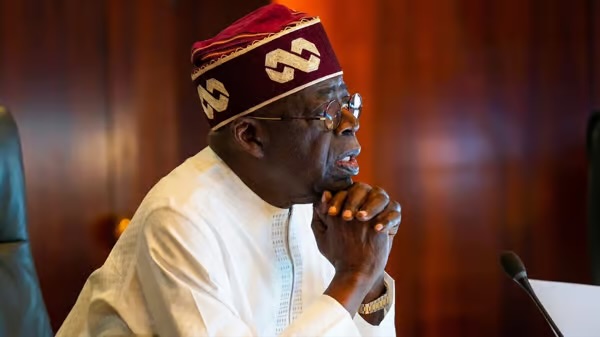
Bola Ahmed Tinubu on Wednesday signed the Electoral Act Amendment Bill 2026 into law, endorsing the decision by lawmakers to make electronic transmission of election results optional rather than mandatory.
The signing ceremony took place at the Presidential Villa and was attended by key leaders of the National Assembly of Nigeria, including Senate President Godswill Akpabio and Speaker of the House of Representatives Abbas Tajudeen, alongside other senior government officials.
The two chambers of the National Assembly had passed the bill on Tuesday after months of debate and deliberations, particularly over Clause 60, which generated controversy for making electronic transmission of election results optional.
With the presidential assent, subsequent elections in Nigeria will now be conducted under the amended provisions.
Controversy Over Electronic Transmission
The debate focused largely on whether results should be transmitted electronically from polling units directly to the portal of the Independent National Electoral Commission (INEC).
Earlier, the House of Representatives had supported mandatory electronic transmission. However, the Senate retained the option allowing results to be physically transmitted to collation centres, especially in cases of internet failure.
Under the amended law, Form EC8A—the primary document used to record polling unit results—will remain the central reference point during collation and election petitions.
Several civil society organisations and stakeholders criticised the optional clause, arguing that mandatory electronic transmission would strengthen transparency.
Senate Vote and Legislative Revisions
During plenary, senators voted by division on whether electronic transmission should be compulsory.
Among those who supported mandatory transmission were:
- Enyinnaya Abaribe
- Victor Umeh
- Natasha Akpoti-Uduaghan
- Ireti Kingibe
- Seriake Dickson
- Aminu Tambuwal
- Abdul Ningi
However, the majority voted to retain the optional provision, a position later adopted by the House of Representatives.
Tinubu: Optional Transmission Will Prevent Glitches and Hacking
Speaking after signing the bill, Tinubu commended lawmakers for managing the legislative process and resolving the controversy.
He argued that Nigeria may not yet have the broadband infrastructure required for fully mandatory real-time electronic transmission.
According to the president, relying on manual collation through Form EC8A would reduce risks of technical disruptions and cyber interference.
Tinubu stated that elections ultimately remain a human-managed process despite technological support.
Focus on Technical Capacity and Electoral Integrity
The president emphasised that strengthening technical infrastructure should remain a national priority while maintaining transparency in the electoral process.
He noted that optional electronic transmission allows flexibility while preventing potential system failures during elections.
Tinubu added that Nigeria would continue to nurture its democratic institutions toward stability and prosperity.
