

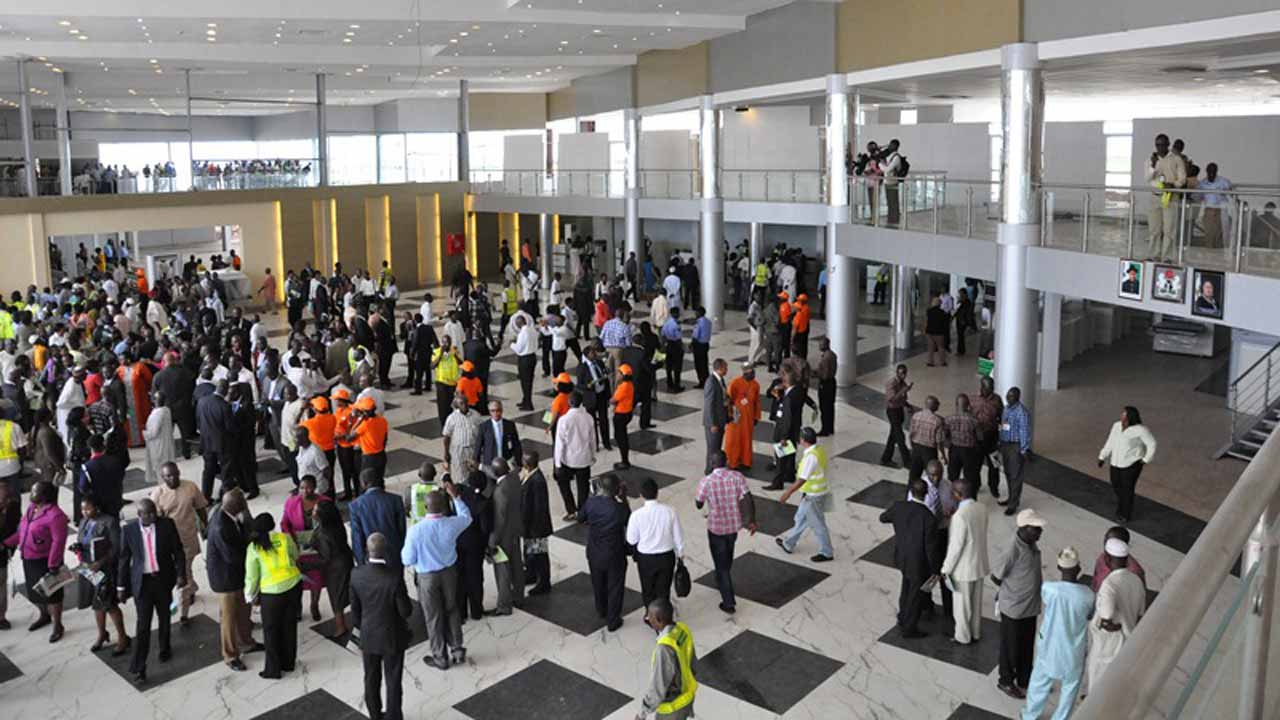
Nigeria has recorded a steady rise in domestic air travel, according to recent data released by aviation authorities, reflecting increased passenger movement across major cities.
Officials attribute the growth to improved airline scheduling, gradual recovery in consumer confidence, and increased inter-state business activities. Major routes such as Lagos–Abuja, Lagos–Port Harcourt, and Abuja–Owerri have reportedly experienced higher passenger volumes.
Despite rising ticket prices driven by fuel costs and operational challenges, airlines have maintained consistent flight operations. Aviation experts note that improved airport infrastructure and better safety oversight have also contributed to the growth.
However, stakeholders warn that sustaining the increase will require addressing key challenges, including high operating costs, foreign exchange constraints, and maintenance issues. Consumer groups have also called for fare regulation and improved customer service.
The Federal Airports Authority of Nigeria (FAAN) reiterated its commitment to upgrading airport facilities nationwide to support increased passenger traffic and enhance travel experience.
