

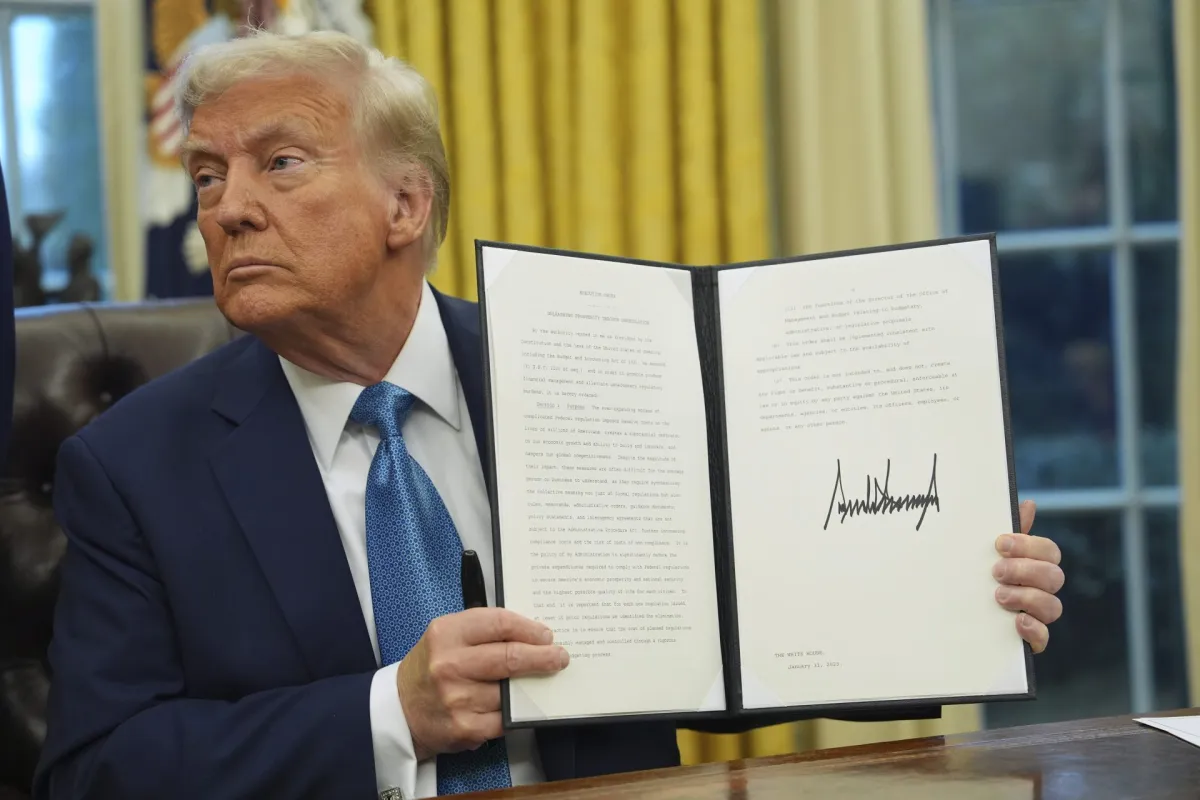
The comprehensive order, characterized by the White House as a necessary move to “reclaim American sovereignty and stop the financial bleeding,” affects a broad range of bodies. These range from the major agencies of the United Nations, various climate agreements, to the most significant trade and security forums that have shaped the framework for the international order that has developed since the end of WW-II.
Addressing the Oval Office, the President asserted that the United States would “no longer be subsidizing these globalist bureaucracies that don’t work in America’s favor. We are bringing our resources home. If they want their clubs back, they can pay for them.”
The withdrawal also includes stopping funding and recalling U.S. delegations from participation in United Nations Human Rights Council (again), UNESCO subsidiaries (again), and international peace-keeping missions (again).
The comprehensive order, characterized by the White House as a necessary move to “reclaim American sovereignty and stop the financial bleeding,” affects a broad range of bodies. These range from the major agencies of the United Nations, various climate agreements, to the most significant trade and security forums that have shaped the framework for the international order that has developed since the end of WW-II.
Addressing the Oval Office, the President asserted that the United States would “no longer be subsidizing these globalist bureaucracies that don’t work in America’s favor. We are bringing our resources home. If they want their clubs back, they can pay for them.”
The withdrawal also includes stopping funding and recalling U.S. delegations from participation in United Nations Human Rights Council (again), UNESCO subsidiaries (again), and international peace-keeping missions (again).
