

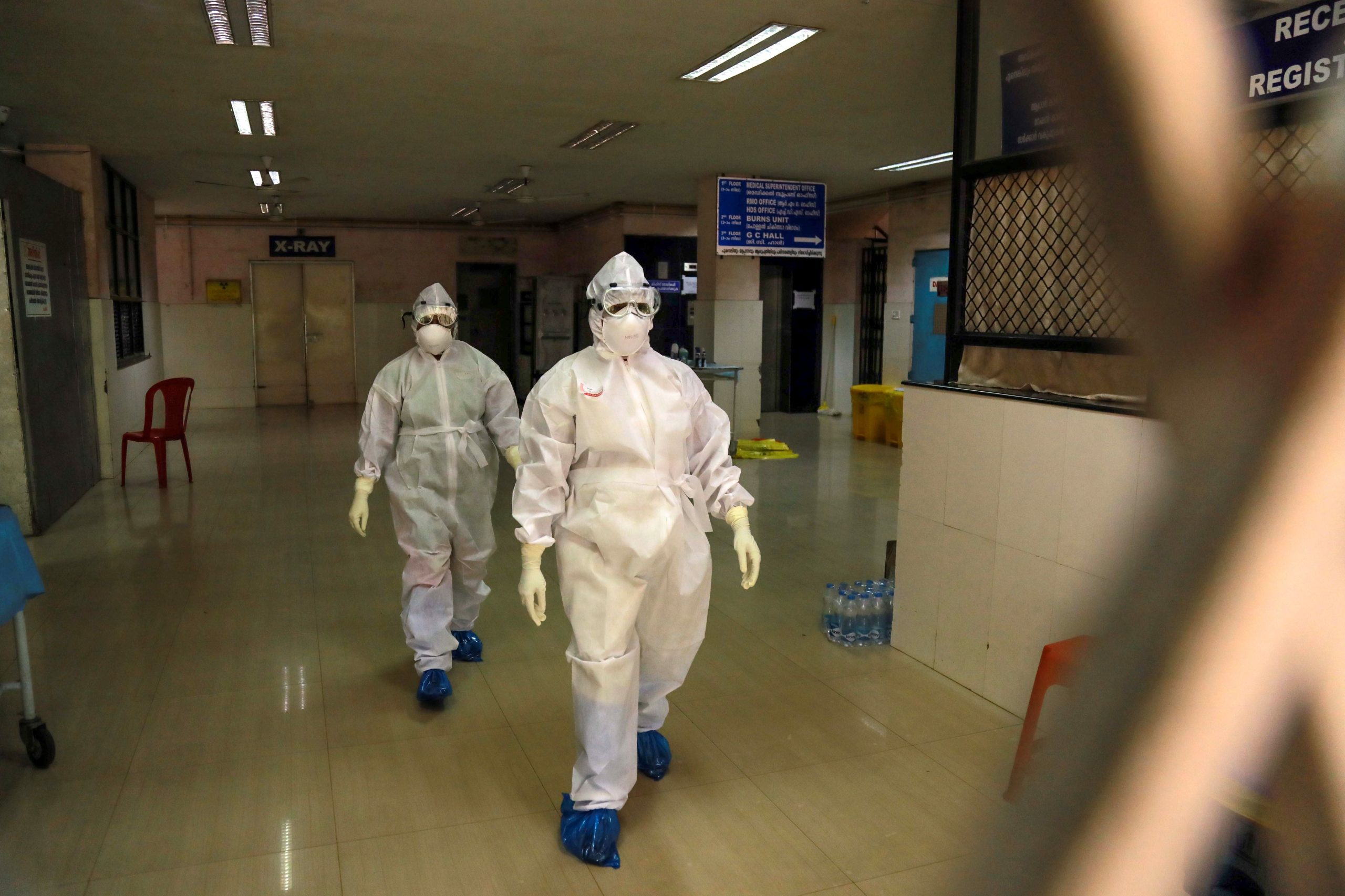
Indian health authorities have intensified preventive measures following the confirmation of two Nipah virus cases among healthcare workers in the eastern state of West Bengal earlier this month.
A team of specialists from India’s National Institute of Medical Research has begun surveillance testing of bats at Alipore Zoo in Kolkata to assess the possible presence of the virus. Officials said the exercise includes both targeted and random sampling of bat populations using real-time polymerase chain reaction (RT-PCR) testing, a laboratory method recommended by the World Health Organization for detecting viral pathogens.
The surveillance effort involves collecting blood samples and oropharyngeal swabs from bats. Additional testing is expected to be carried out in other areas identified as natural bat habitats as authorities seek to better understand potential sources of transmission.
The two confirmed patients are receiving supportive care at Barasat Hospital, where they are being treated in medical isolation and closely monitored. Hospital officials said respiratory support is being provided as needed.
The Nipah virus is considered one of the most dangerous emerging infectious diseases. There is currently no approved treatment or vaccine, and the virus can cause severe illness including fever and encephalitis. Fatality rates have ranged between 40% and 75% in past outbreaks.
Transmission to humans is often linked to contact with infected bats, particularly fruit bats known as flying foxes, or through consumption of fruit contaminated with their saliva. Human-to-human transmission has also been documented, especially in healthcare settings without strict infection control measures.
India has recorded four previous outbreaks of Nipah virus — in West Bengal in 2001 and 2007, and in Kerala in 2018 and 2019. Those incidents prompted the development of stronger surveillance and rapid response protocols, which officials say are now being activated again to prevent further spread and protect public health.
