

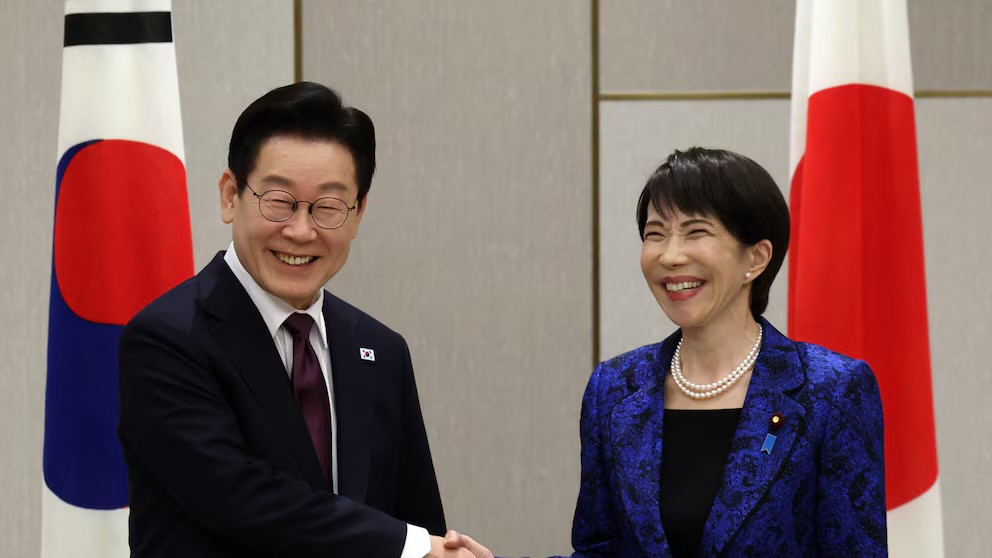
Leaders of Japan and South Korea held a high-level summit on Tuesday, agreeing to bolster cooperation on economic, security, and regional issues as uncertainties rise in East Asia.
The agreement emerged from talks between Japanese Prime Minister Sanae Takaichi and South Korean President Lee Jae Myung, who pledged expanded collaboration on defense, economic resilience, and regional stability. Both nations face geopolitical pressures from neighboring powers and sought to deepen strategic ties through joint initiatives.
Key outcomes of the summit include increased intelligence sharing, coordinated diplomatic engagement on security threats, and cooperative frameworks for economic development. The leaders also committed to resolving historical disagreements that have occasionally strained bilateral relations, focusing on constructive dialogue to ensure mutual progress.
Analysts say the strengthened partnership could have significant implications for regional stability, particularly regarding security dynamics involving China and North Korea. The summit’s results were welcomed by international observers seeking robust cooperation among democratic partners in East Asia.
The leaders also discussed efforts to support global economic growth and advance innovative technologies critical for future competitiveness.
