

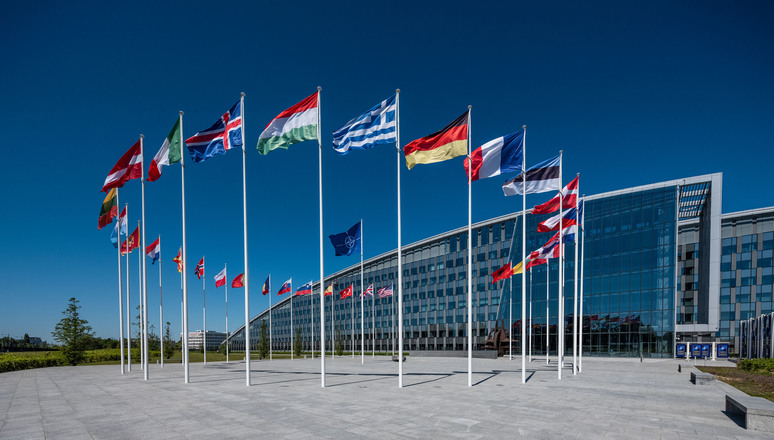
Growing strains in the transatlantic alliance are forcing Europe to rethink a long-standing assumption: that the United States will always remain its ultimate security guarantor.
Recent policy signals from Washington — including shifting defence priorities, hardline trade tactics toward the European Union, and controversial proposals affecting Arctic security — suggest a broader reorientation of American strategy. Europe is increasingly being viewed less as a central partner and more as one actor among many in a competitive global landscape.
These developments have unsettled trust within NATO, the alliance that has underpinned European security for decades. The debate is no longer theoretical. European leaders are now confronting real questions about how much military, political and strategic support the U.S. is willing to provide in the future.
One major concern is the war in Ukraine. Continued European backing for Kyiv remains critical, yet sustaining that support could prove more difficult without strong and consistent American involvement. At the same time, European governments must ensure that any diplomatic efforts to end the conflict do not compromise Ukraine’s sovereignty or Europe’s broader security interests.
Another pressing issue is NATO’s long-term cohesion. The alliance depends not just on military capabilities, but on mutual trust and shared commitment. Recent tensions have prompted fears that internal divisions could weaken deterrence, especially at a time when Russia remains a security challenge and global instability is rising.
As a result, Europe faces a dual task: preserving NATO while also strengthening its own independent defence capacity. That means greater investment in conventional forces, cyber defence, space security and military readiness across land, air and sea. It also revives sensitive conversations about Europe’s nuclear deterrence and the potential for deeper cooperation between France and the United Kingdom in that domain.
Encouragingly, there are signs of growing European unity. Diplomatic coordination, defence collaboration, and renewed focus on strategic autonomy are moving higher on the political agenda. Still, these efforts will take time, political will and sustained funding.
Ultimately, Europe’s goal is not to replace the United States, but to become a stronger, more capable partner — one prepared for a world where American attention is increasingly divided. Safeguarding European security in this new era will depend on balancing alliance solidarity with greater self-reliance.
